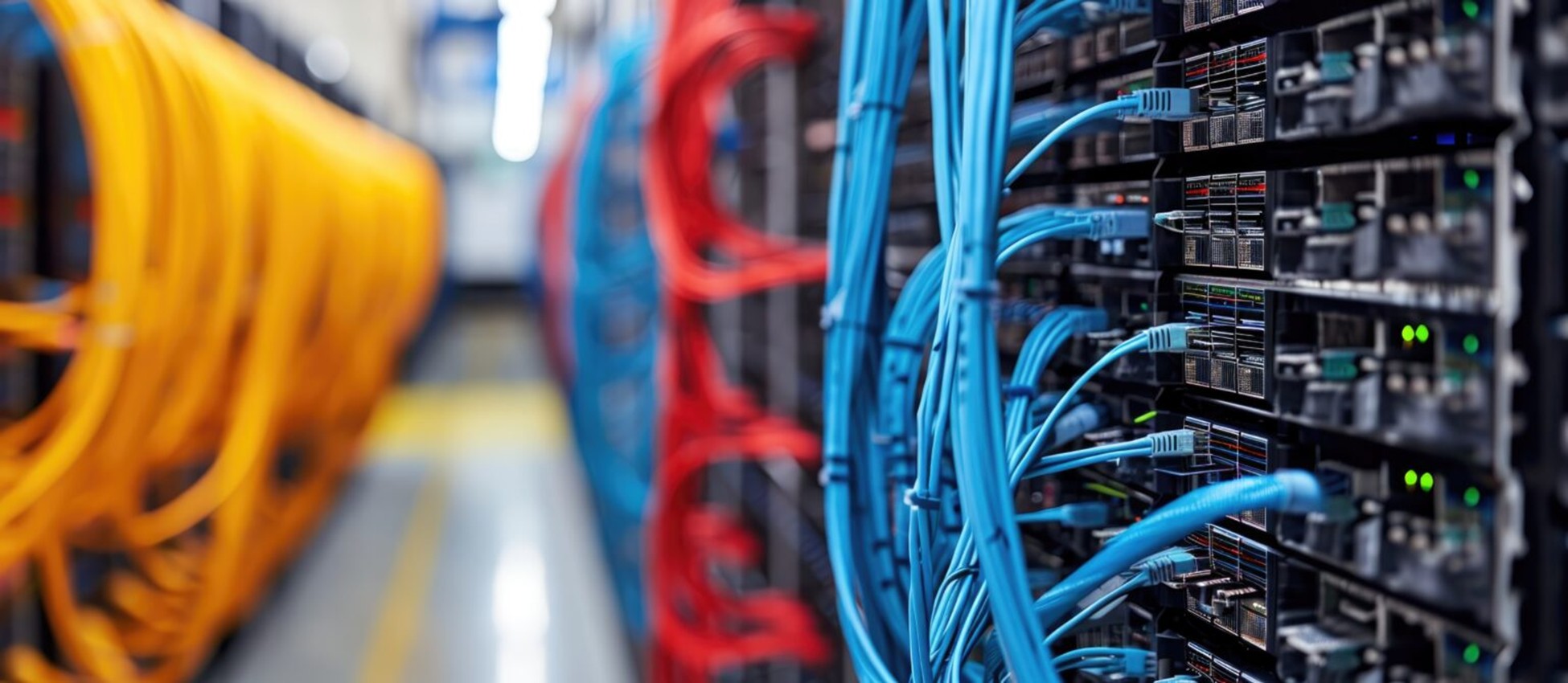
A strong and reliable IT infrastructure is crucial in today’s fast-paced business environment. Central to this infrastructure are network cabling solutions, which form the backbone for all communication, data transfer, and connectivity across an organization. Implementing professional business structured cabling systems ensures smooth operations, minimizes downtime, and supports seamless collaboration among teams. High-quality cabling also allows for scalability, enabling businesses to adapt to evolving technological needs and increasing network demands.
From structured cabling systems to fiber optic and CAT6 installations, investing in effective structured cabling systems enhances performance, reliability, and long-term efficiency, securing a robust foundation for future growth.
Understanding Network Cabling Solutions
Network cabling solutions refer to the design, installation, and maintenance of wired networks between the computers, servers, and other network-related devices. They are not only about connecting the devices, but also are aimed at creating a designed cabling system with high-speed data transfer, reliability, and long-term performance. An efficiently installed cabling network boosts the efficiency of the network, minimizes downtime, averts failures, and facilitates efficient business operations. The main areas consist of fiber optic or CAT6 cable, patch panel, rack, and cable management systems.
Investment in professionally structured business cabling systems will help companies enhance their productivity, scalability of their infrastructure, and guarantee the security and continuity of all connections that exist within their organizational networks.
Structured Cabling Systems
Structured cabling systems. Structured cabling solutions are an orderly system of network cabling. They entail a uniformity of elements and customs that enable corporations to coordinate their data, voice, and video signals effectively. Structured cabling has components such as:
- Patch Panels: An Interchange Station in which various network cables are linked and controlled.
- Racks and Enclosures: Safe storage of networking appliances and cables.
- Cable Management Accessories: Trays, conduits, and ties cables are organized and cluttered less.
- Horizontal Cabling: Connections between the primary distribution region and workstations.
- Backbone Cabling: This is used to connect one floor to another or building to building, to maintain network continuity.
The formalization approach provides flexibility, ease of troubleshooting, and future proofing, which is paramount to the modern world’s businesses, highly dependent on IT systems.
Choosing the Right Cabling Types
Cabling type is one of the key aspects of performance. Common options include:
- Category 6 (CAT6) Cabling: Provides high-speed data transfer up to 10 Gbps and is company-friendly.
- Fiber Optic Cabling: It has better bandwidth and long-distance connectivity without much signal loss.
- Category 5e (CAT5e) Cabling: Low-cost solution to smaller networks with intermediate data requirements
The purpose of each type of cabling is unique, and by having the right types together, one can have a high level of network performance and reliability.
Installation Best Practices
The effectiveness of business structured cabling systems is related to appropriate installation. Best practices include:
- Carrying out a site survey prior to installation.
- Label cables easily to bad cables.
- Ensuring sufficient cable bend radius in order to avoid its destruction.
- Quality connectors and components are used to increase durability.
- Compliance with the local standards and regulations on safety.
The adherence to such practices will lead to the minimal number of disruptions and the increased life of the cabling infrastructure.
Network Performance and Reliability
The network that is reliable should not just be supported by cables. Quality-structured cabling systems are characterized by good testing, certification, and quality assurance of consistency in performance. Consistent upgrades and maintenance of old cables lead to the prevention, a shortage of downtime, and improved efficiency of the network.
The reliability of cabling used by businesses is advantageous in that it provides faster data transmission, reduced latency, system stability, and collaboration among teams without any hindrance. Professional business structured cabling systems provide longevity, scalability, and continuity to the current business operations.
Scalability and Future-Proofing
Networks are under tremendous demand as businesses keep expanding and the technology develops. Scalable business structured cabling systems help companies to adjust to changing needs without significant changes. Structured cabling systems are designed with the flexibility to accommodate new devices and higher bandwidth, as well as emerging technologies.
Futurizing your network can help you provide good reliability of performance, minimize downtimes, and get long-term economies of scale. Cabling installed appropriately also makes maintenance easier, increases connectivity, and puts the organization in a position to achieve the requirements of today and tomorrow’s IT infrastructure with effectiveness.
Security Considerations
Secure network cabling systems are crucial in the protection of delicate company information. Physical security, such as cable enclosures, lockable racks, and well-organized pathways help in avoiding unauthorized access or tampering. These solutions ensure data integrity, minimize security risks, and ensure reliable performance of the system when they are combined with continuous network monitoring and strong cybersecurity measures.
Structured and secure cabling also aids enterprises to meeting the industry regulations and standards, reducing downtime that may occur, and facilitating the overall stability of the IT infrastructure, which is a significant aspect of the current enterprise networks.
Benefits of Professional Network Cabling Solutions
Professional business network cabling solutions have a number of advantages to investing in:
- Enhanced Performance: Quick and better transmission of data.
- Reduced Downtime: Risk of network failure and network interruption is reduced.
- Simplified Maintenance: Structured cabling makes the problem-solving process simpler.
- Scalability: Provides the ability to support network expansion and technology upgrades.
- Cost Efficiency: Saving in the long run through eliminating expensive network problems.
The selection of the appropriate solutions can help businesses to ensure maximum efficiency and the lifespan of their IT infrastructure.
Conclusion
Solutions Network cabling of high quality is essential in the development of reliable, scalable, and secure networks in the business. Structured cabling systems that are properly planned, installed, and maintained enhance performance and help achieve growth and technological development. The advantages of using professional network cabling solutions are that companies that wish to implement or upgrade their infrastructure have a reliable solution that is long-term, efficient, and has the capacity to maintain all the organizational activities.
In case of professional and reliable network cabling services, VRS Technologies LLC provides quality network cabling services to both commercial and enterprise clients within the UAE. Their services are structured cabling, fiber optic installation, CAT6 cabling, network management, and cable organization. Concentrated on quality, compliance, and scalability, VRS Technologies LLC guarantees businesses to have continuous connectivity, maximized performance, and a reliable business network cabling in the long run.
About the Author