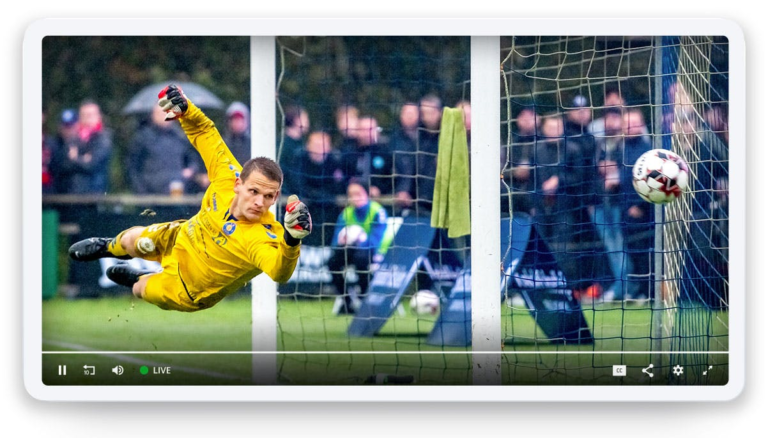
There is an art to describing a dangerous attack while someone is washing dishes in the next room. Shouting that something amazing is happening conveys excitement but leaves the listener guessing which team has the ball. A phrase like bola88 bola might lead friends into a football conversation. Keeping the conversation intelligible when only one person can see the game takes a little practice and a willingness to leave a few details out.
Establish the listener’s pitch
Before kickoff, describe the teams by short names the listener can distinguish. Agree on a direction for the first half. Then give the score and enough context to explain whether either side urgently needs a goal. This tiny introduction lets a listener build a mental pitch that later phrases can update. Without it, even an accurate description can sound like a series of unrelated movements.
Begin an attack with the team in possession and a broad location. A pass from midfield toward the right corner gives the listener time to picture the route. Add a player’s name only when you are sure of it and when it helps. A confident correction several seconds later can pull the listener back into an old scene just as a new chance starts.
Use the pauses intelligently
A throw in or a stoppage gives you room to mention a substitution, describe the weather, or explain a tactical change. During a quick exchange near goal, keep the verbs short and the positions clear. Tell the listener where the shot went before explaining how difficult it looked. Someone waiting in the next room wants to know whether the ball crossed the line.
After a goal, let the crowd be heard for a moment if the listener can hear the broadcast. Follow with the new score and the part of the move that made the chance possible. If a decision is under review, say what remains undecided. A quiet admission that the camera has not shown the relevant angle is more informative than a dramatic guess.
Agree on one word for a turnover so the listener knows possession has changed. Follow it with the new team’s name. A person carrying plates may have missed your previous sentence and will appreciate a clean point from which to rejoin the action without asking for a recap.
Ask for a drawing after the attack
Try a practice clip with the screen turned away from your friend. Stop after a meaningful attack and ask them to trace the route of the ball on paper. Their drawing will reveal whether phrases such as over there or on this side slipped into your description. Replace each vague phrase with a position the listener can identify independently.
Switch places for the next clip. As a listener you may discover how much relief a regular score reminder brings and how little you miss the color of a player’s boots. The best commentary between friends makes room for personality, jokes, and excitement. It also gives the unseen match enough shape that the listener knows exactly why the person in the other room just shouted.
Key Points
- Establishing a listener’s pitch before the game starts helps them build a mental image of the match.
- Using concise language and clear positions during play-by-play commentary prevents confusion and enhances understanding.
- It’s important to give the listener updates on the score and key moments, especially after a goal or significant event.
- Using agreed-upon terms for game developments, like turnovers, helps the listener follow the action without needing constant recaps.
- Practicing commentary with the screen turned away allows for refining the clarity of descriptions given to the listener.
- Effective commentary incorporates personality and engagement while ensuring the listener grasps the game’s context.
About the Author